Expose scammer
Let’s cut the puzzle gimmick. Daily Sudoku Quiz Challenge isn’t about logic. It’s about looting.
You saw the ad: ‘2% daily profit.’ You thought, ‘That’s 730% a year.’ Sounds insane? It is. Because it’s mathematically impossible — unless you’re not investing at all. You’re just feeding the machine.
Here’s what really happens when you send $1,000 to Daily Sudoku Quiz Challenge:
That $1,000 doesn’t buy Bitcoin. Doesn’t fund solar farms. Doesn’t trade forex. It lands in a wallet controlled by people who’ve never solved a Sudoku puzzle in their lives. And then — *poof* — they credit your account with $20. ‘Your first day’s return!’
Nope. That $20 came from someone else’s $1,000 deposit — maybe made 37 minutes before yours. Their money paid your ‘profit.’ Your money will pay the next person’s ‘profit.’ It’s not yield. It’s cannibalism.
Let’s do the math so hard it stings.
If Daily Sudoku Quiz Challenge *actually* delivered 2% daily, compounded, your $1,000 would become:
$1,000 × (1.02)³⁶⁵ = $1,377,408.30 in one year.
Yes — over one million three hundred thousand dollars. From a Sudoku app.
That’s not investing. That’s fantasy. Or fraud.
Real-world returns don’t work like that. The S&P 500 averages ~7% a year — after inflation, taxes, and volatility. Warren Buffett’s lifetime CAGR? ~20%. Daily Sudoku Quiz Challenge promises more than 36 times Buffett’s annual rate — every single day. They’re not outperforming the market. They’re lying to your face.
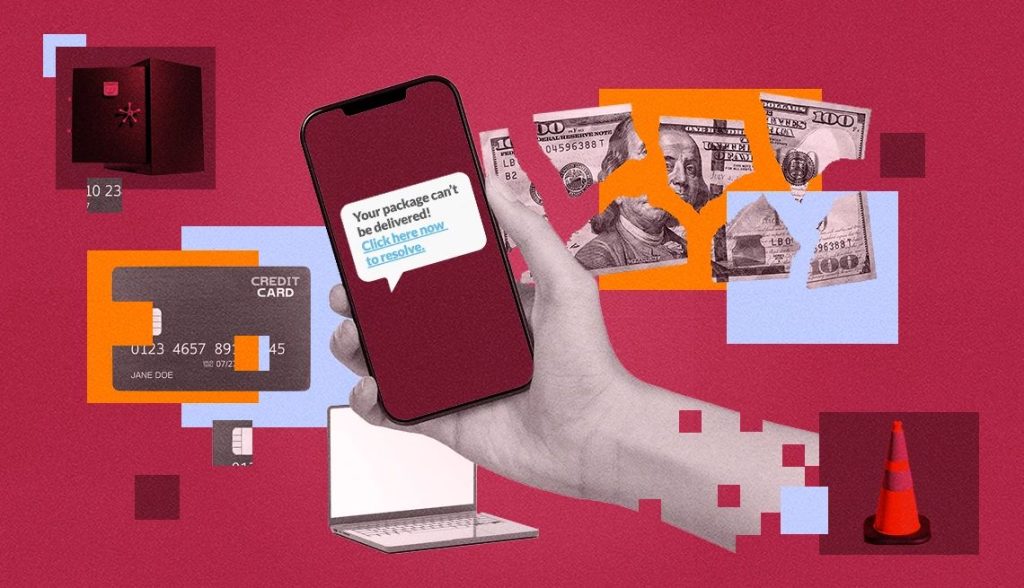
And the moment new deposits slow? The whole thing collapses. Not ‘crashes.’ Not ‘restructures.’ Vanishes. Withdrawals freeze. Support goes silent. The website redirects to a blank page or a ‘maintenance’ notice that lasts forever. Meanwhile, the founders quietly drained 15–25% of every deposit as their ‘admin fee’ — meaning your $1,000 wasn’t even fully recycled into the Ponzi loop. A chunk went straight into their pockets. Forever.
This isn’t speculation. It’s the textbook definition of a Ponzi: no underlying asset, no revenue, no strategy — just a rotating door of principal. Your money wasn’t deployed. It was redistributed — until it couldn’t be.
Think of it like a bucket with a hole in the bottom. Daily Sudoku Quiz Challenge keeps it full by frantically pouring in new water — new victims. But the hole is real. The water level only stays up while people keep pouring. Stop pouring? Bucket empties in hours.
And here’s the cruelest part: you helped empty it. When you felt that dopamine hit from seeing ‘+$20’ in your dashboard, you deposited more. You shared the link. You told your cousin who just got laid off and ‘needed passive income.’ You became part of the pump — not the profit.
That’s why Benjamin Graham nailed it when he said: ‘The investor’s chief problem — and even his worst enemy — is likely to be himself.’ Not the scammer. Not the platform. You, trusting too fast, calculating too little, wanting it to be true so badly that you ignored the math screaming ‘IMPOSSIBLE’ in bold font.
Daily Sudoku Quiz Challenge didn’t fail because of bad luck or market conditions. It was designed to fail — on schedule. Its success metric wasn’t sustainability. It was how much it could extract before the last deposit cleared.
So if you sent money: check the blockchain. Trace that $1,000. You’ll find it sitting cold in a Binance-pegged wallet — no trades, no movement, no ‘investment activity.’ Just idle theft.
If you haven’t sent money yet — stop. Close the tab. Delete the app. Block the number. Then call someone you love and tell them: ‘Don’t touch Daily Sudoku Quiz Challenge. It’s not a game. It’s a trap. And the only thing being solved is how fast they can disappear with your rent money.’
You deserve better than puzzles with rigged answers. You deserve real returns — earned, transparent, and slow. Not fake Sudoku profits that vanish faster than your dignity after you realize you fell for it.