Expose scammer
Let me tell you something real: I watched my cousin lose $14,700 to this exact setup. Not to a shady offshore exchange. Not to a hacked wallet. To a fake crypto wallet app she downloaded because a man she met on a dating app said, ‘It’s how I pay my rent now.’
They Don’t Sell You Crypto — They Sell You Hope
This isn’t about bad code or sloppy UI. FakeCryptoWallets is engineered to feel safe — clean interface, green checkmarks, ‘verified’ badges, even fake support chats that respond in 90 seconds. But none of it connects to a blockchain. None of it touches your keys. It’s a mirror. A reflection of what you want to believe: that someone sees you, understands your stress, and just *happens* to know a quiet way out.
Stage 1? You’re lonely. Or exhausted. Or you just scrolled one too many times past people your age buying houses while you’re choosing between car insurance and groceries. That’s when the message arrives — warm, light, no pressure. ‘Hey, love your profile. Do you believe in slow burns?’
Stage 3? After three weeks of voice notes, shared playlists, and ‘accidental’ screenshots of a ‘portfolio’ — not a chart, but a photo of a phone screen showing $2,843.27 profit in 4 days. ‘I use FakeCryptoWallets,’ they say, like mentioning a favorite coffee shop.
The Math Is a Lie — And the Lie Has a Price Tag
Let’s do the math they won’t show you — because it breaks the illusion.
Say FakeCryptoWallets promises ‘5% daily yield’ (they often do — look at their landing page banner). That’s not 5% per year. That’s 5% every 24 hours.
Compound that: $1,000 × (1.05)^365 = $54,213,225,523. Over 54 billion dollars in one year.
No exchange, no fund, no government-backed entity — not even BlackRock — earns that. Charlie Munger put it plainly: ‘It’s not supposed to be easy. Anyone who finds it easy is stupid.’ He wasn’t talking about love. He was talking about money masquerading as kindness.
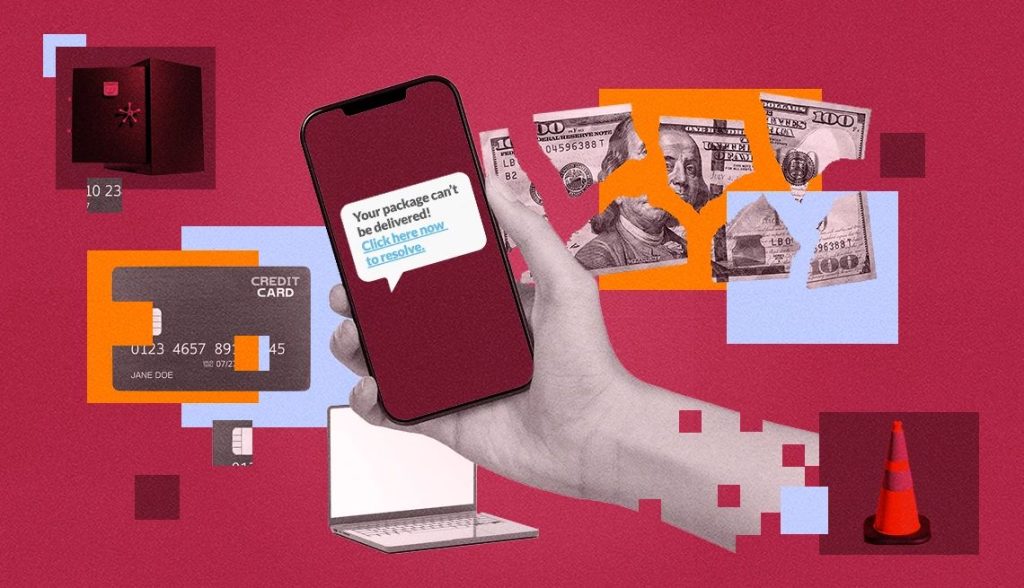
Your Wallet Isn’t Hacked — Your Judgment Is Bypassed
Here’s what FakeCryptoWallets *actually* does:
- You download the app — it asks for ‘accessibility permissions’ (so it can fake transactions on-screen)
- You ‘deposit’ — funds go to a scammer’s wallet, not yours
- You see fake balances rise — all rendered locally, no API, no real-time data
- When you try to withdraw? ‘Verification fee required.’ Then ‘tax clearance.’ Then ‘cold wallet transfer fee.’
Each fee is small enough to feel reasonable — $299, then $447, then $1,190. By the time you realize nothing is moving, you’ve paid more than your original deposit… and you’re too ashamed to ask for help.
This Isn’t About Tech — It’s About Timing
They don’t target crypto natives. They target people who haven’t touched Bitcoin since 2017 — people who still think ‘blockchain’ is sci-fi. Because those people trust the person more than the platform. And that’s the kill switch.
A real partner doesn’t steer you toward an unregulated app with zero whitepaper, no GitHub, no team bios — just stock photos and urgency. A real partner says, ‘Let’s talk to a financial advisor first.’ Or ‘Let’s wait until next month.’ Or ‘I love you — and that means I won’t let you risk rent money on a screenshot.’
If someone you met online is pushing FakeCryptoWallets — not explaining it, not letting you research it, not offering to *watch you* set it up with a real wallet — they are not your partner. They are your exit strategy. For someone else’s profit.
So before you type another ‘I trust you,’ open your browser and search ‘FakeCryptoWallets scam’. Read the withdrawal complaints. Look at the domain registration date (it’s probably 11 days old). Check if the app exists on Apple’s App Store or Google Play (it doesn’t — it’s only on third-party APK sites).
You deserve love that doesn’t come with a deposit button. You deserve safety that doesn’t require a ‘verification fee.’ And you absolutely deserve to keep every dollar you worked for — without having to prove your worth to a ghost with a script and a fake balance.
Stop scrolling. Start verifying. Your money — and your heart — are not demo accounts.