Expose scammer
Let me tell you how it starts.
Not with a phishing link. Not with a sketchy whitepaper. With a text that says, ‘Hey, I saw you liked that post about AI tools — I’ve been using OpenTokenMonitor lately. It’s wild how much it saves me on API costs.’
That’s Stage 1: They find you when you’re tired. When you’ve been grinding freelance gigs for three months straight and your bank account looks like a haunted house — empty, echoing, full of ghosts named ‘rent’ and ‘student loans.’ You’re not looking for love or money. You just want someone to *see* you. And they do. Oh, they see you.
Stage 2 is where they become real. They ask how your dog is doing. Remember your cousin’s wedding was last weekend? They comment on your tired voice in a voice note. They send a meme about Claude’s token limits at 2 a.m. — because ‘you’d get it.’ This isn’t small talk. It’s emotional scaffolding. They’re building a structure strong enough to hold your trust — and then hang your life savings from it.
Stage 3 drops casually: ‘By the way — OpenTokenMonitor isn’t just tracking tokens. Their token, OTM, just launched staking. APY is 147%… but only for early adopters.’
147%? Let’s pause and do the math — because numbers don’t lie, even if people do.
If you stake $500 at 147% APY, compounded monthly, in one year you’d have:
$500 × (1 + 1.47/12)12 = $500 × (1.1225)12 ≈ $500 × 4.03 = $2,015.
That’s over 300% growth — in 12 months. For comparison: the S&P 500 averages ~10% annually. Warren Buffett’s lifetime average is ~20%. So yeah — this isn’t ‘aggressive.’ It’s mathematically impossible without either printing money or stealing it.
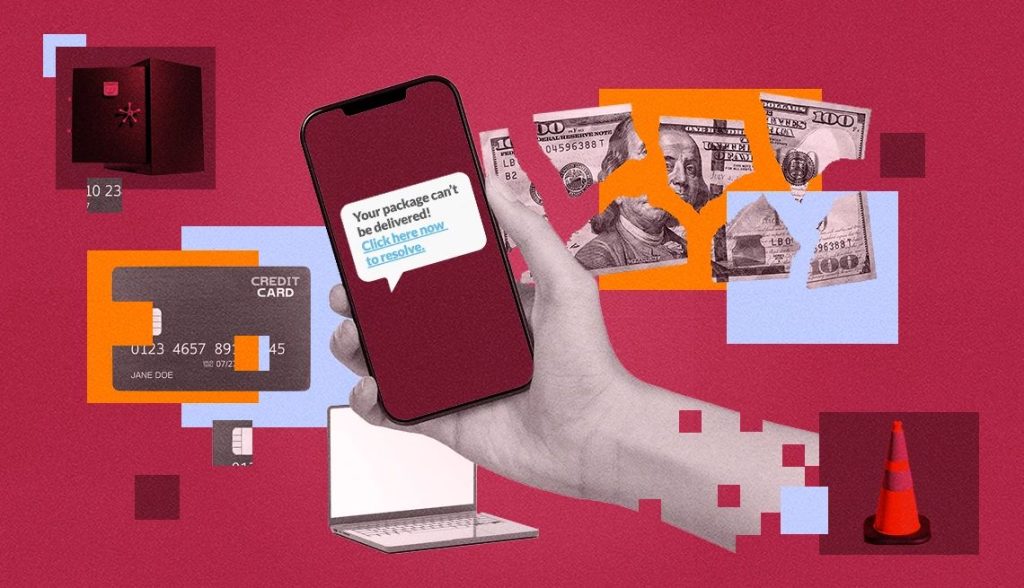
But you don’t think about that yet. Because Stage 4 has already happened: they sent you a screenshot — blurry, slightly tilted, with ‘$12,483.61’ glowing in green next to their name. You put in $50. And magically — yes, it shows $73.50 the next day. That’s not profit. That’s a puppet string. They let you win so you’ll bet bigger.
Then comes Stage 5: the ‘big opportunity.’ ‘They’re doing a private round — I got you a spot. Just $2,500 before midnight.’ Your heart races. Not from fear — from *hope*. Hope that this person who remembers your mom’s birthday and hates cilantro might also be your way out.
And when you try to withdraw? Stage 6 begins. ‘Oh — there’s a 3.2% network unlock fee.’ Then: ‘Your KYC failed — need $189 for compliance verification.’ Then: ‘The smart contract requires liquidity pairing — deposit $420 more to activate.’ Each fee is small enough to feel reasonable. Each one deepens the trap.
This isn’t about OpenTokenMonitor being a bad app. It’s about how its name — sleek, technical, trustworthy-sounding — becomes the Trojan horse for emotional predation. Real tools don’t promise APYs that break compound interest calculators. Real friends don’t slide into your DMs with yield farming strategies. Real love doesn’t come with a referral code.
Remember what Mark Twain said: ‘A banker is a fellow who lends you his umbrella when the sun is shining and wants it back the minute it begins to rain.’ These people aren’t bankers. They’re storm chasers — and they show up holding umbrellas made of smoke.
OpenTokenMonitor isn’t open-source. It’s open-bait. And every time you hear ‘APY,’ ‘staking,’ or ‘early access’ from someone who’s been texting you daily for six weeks — run. Not walk. Run. Because the moment you stop questioning the returns and start trusting the relationship, you’ve already lost. Your money is just the first thing they’ll take.
So ask yourself right now: If this person truly cared about *you* — not your wallet, not your loneliness, not your desperation — would they ever, ever, recommend an investment that sounds too good to be true?
If the answer isn’t a stone-cold ‘hell no’ — pause. Breathe. Block. Then call someone who loves you enough to say it plainly: You are not broken. You are being hunted. And the best defense isn’t skepticism — it’s remembering your own worth.