Expose scammer
Let me tell you what really happened to my cousin Priya.
She got laid off in March. No severance. Two kids. Her husband had just moved out. She was scrolling job boards at 2 a.m., exhausted, scrolling past 47 ‘urgent hiring’ posts that led nowhere — until one stood out: GridCareer.
It looked clean. Chennai-based. ‘Skill-first, not resume-first.’ Even had a LinkedIn page with smiling faces and a ‘We’re building the future of hiring’ banner. She clicked. Filled out a profile. Got a message — not from HR, but from ‘Arjun,’ a ‘Community Success Lead.’ Friendly. Asked how she was *really* doing. Remembered her kid’s name from her bio. Sent a voice note saying, ‘I know how hard this season is. I’ve been there too.’
That’s Stage 1: vulnerability harvesting. They don’t target your wallet first — they target your loneliness, your fear, your exhaustion. And Priya? She hadn’t had a real conversation where someone listened in weeks.
Stage 2 lasted 11 days. Arjun messaged daily. Shared stories about his mom’s diabetes, his sister’s startup failure. Asked about her cooking, her favorite Tamil film, whether she still played guitar. He didn’t mention money — not once.
Then came Stage 3: the casual drop. ‘Oh hey — by the way, I’ve been using this side thing called GridCareer’s earn-and-learn track. Not jobs — more like micro-investment challenges tied to skill badges. Super low risk. Just $50 to start.’
Wait — what?
There is no ‘earn-and-learn track’ on GridCareer’s website. No mention of investments. No SEC filing. No terms of service for financial products. Just a hiring platform — or so it claims.
But Arjun sent her a screenshot: $50 → $68.72 in 72 hours. ‘Compounded daily,’ he said. ‘They use Fabric-backed yield algorithms.’ (Yes — they name-drop Microsoft Fabric like it’s a magic incantation.)
So Priya put in $50. And yes — $68.72 appeared in her dashboard. Fake? Absolutely. But it felt real because *he* celebrated it with her. Sent a confetti emoji. Called her ‘my sharpest investor yet.’
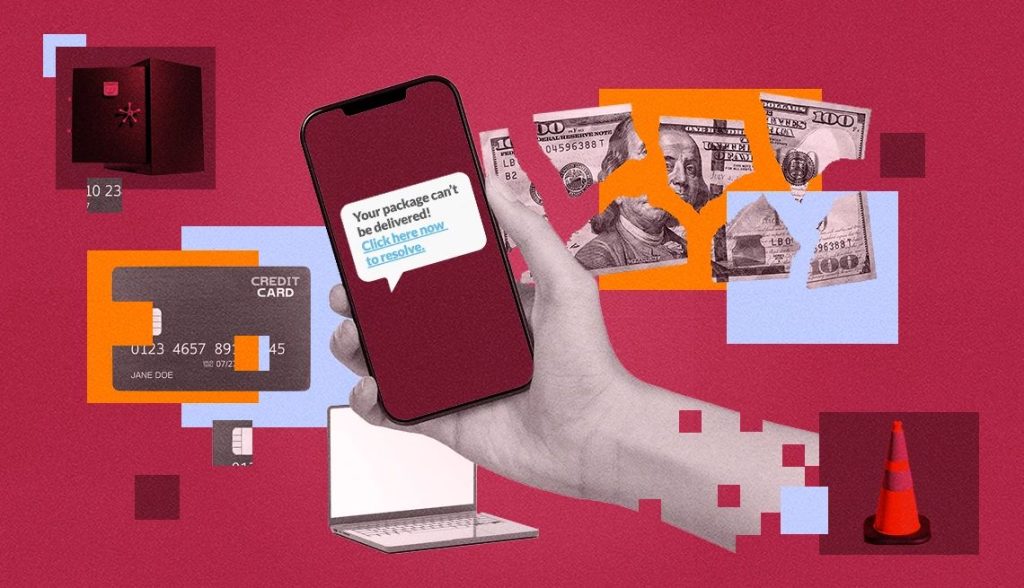
That’s Stage 4: trust laundering. You’re not investing in a platform — you’re investing in *him*. In the relationship. In the feeling of being seen.
Stage 5 hit fast. ‘They’re opening a 90-day liquidity pool — 42% APY. Only 12 slots left. I saved one for you.’ She wired $2,500. Then $7,000. Then $15,000 — her entire emergency fund, plus a loan from her father.
Then Stage 6: silence. Dashboard frozen. ‘Withdrawal pending verification.’ A pop-up: ‘Pay $389 compliance fee to unlock funds.’ She paid. Then another: ‘KYC escalation fee — $1,240.’ She borrowed more. Then — nothing. Arjun’s number disconnected. GridCareer’s site now redirects to a blank page with a single line: ‘Platform under maintenance.’
Let’s talk math — because numbers don’t lie, even when scammers do.
That ‘42% APY’? Sounds modest — until you compound it. At 42% annual return, compounded daily, $15,000 becomes $21,423 in 90 days. That’s $6,423 profit — in *three months*. For comparison: the S&P 500 averages 10% *per year*. Warren Buffett’s lifetime CAGR is ~20%. So what’s the incentive behind promising 42% *every 90 days*? Let Charlie Munger answer that for you: ‘Show me the incentive and I’ll show you the outcome.’ Their incentive isn’t your wealth — it’s your despair, your hope, your willingness to believe *one person finally gets you*.
This isn’t a job scam. It’s a psychological siege. They weaponize empathy. They don’t sell crypto — they sell salvation. And the currency they collect isn’t Bitcoin. It’s trust. Dignity. Your last $15,000.
If someone you ‘met’ online — especially during a fragile time — casually mentions GridCareer as anything more than a basic job board… run. If they send screenshots of returns, if they urge urgency, if they ask for fees to ‘unlock’ money — that’s not love or mentorship. That’s predation dressed in kindness.
You deserve real opportunities. Real connections. Real paychecks — not dopamine hits disguised as dividends.
Don’t let your pain become their profit.
Right now — go check your recent DMs. Scroll back. If anyone’s ever mentioned GridCareer while asking how you’re *really* doing… pause. Take a breath. Call a friend. Not to ask for money — to ask for reality-check.