Expose scammer
Let me tell you about the first time I saw someone lose $47,000 to AnaisVault.
It Starts With a Love Letter — Not a White Paper
No KYC. No SEC filing. No audit report. Just a DM that says, ‘Hey, I noticed your profile — you seem really thoughtful. Do you believe in slow trust?’
That’s how it begins. Not with charts or ROI projections — with intimacy. They study your bio. They mirror your language. They ask about your dog, your mom’s surgery, your student loans. They remember. And that memory feels like care — until you realize it’s reconnaissance.
AnaisVault isn’t named after some fintech founder. It’s ripped straight from the mythology of Henry Miller and Anaïs Nin — two writers who turned obsession into art, and art into justification for chaos. The scam doesn’t hide its romantic framing. Its landing page has blurred black-and-white photos, soft piano music on autoplay, and a tagline: ‘Where passion meets profit.’
The ‘Test Deposit’ Trap Is Designed to Feel Real
You’re told to start small: $50. You do. Within 48 hours, the dashboard shows $63.27. ‘See? No risk,’ they whisper over voice note. That $13.27 isn’t profit — it’s code-generated theater. But your brain doesn’t register that. Your dopamine does.
Then comes the pivot: ‘My portfolio is up 142% this month. I’m reinvesting everything. Want me to walk you through my strategy?’ They send screenshots — clean, professional, timestamped. You don’t notice the time zone is fake. You don’t notice the chart axis is zoomed to hide volatility. You notice how warm their voice sounds when they say your name.
That’s when they ask for the real deposit. $5,000. Then $15,000. Then ‘just one more fee to unlock withdrawal’ — $2,800 for ‘regulatory compliance.’ Then another. Then silence.
Here’s the Math That Exposes the Lie
AnaisVault promises ‘consistent 2.3% daily returns.’ Let’s test that.
2.3% per day compounds to 1,092% per year. Yes — over 10x your money annually. For comparison: Warren Buffett’s lifetime average is ~20% per year. The S&P 500 averages ~10%. Even hedge fund legends like Ray Dalio rarely break 25% net in strong years.
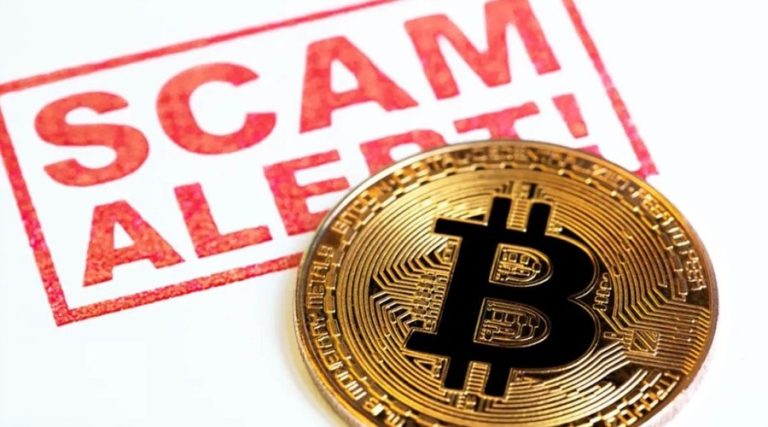
Now try this: $10,000 at 2.3% daily for just 90 days.
$10,000 × (1.023)90 = $77,422.
That’s not investing. That’s magic — or mathematically impossible without printing money or stealing from someone else’s account. Which, of course, is exactly what happens.
‘The Person That Turns Over the Most Rocks Wins the Game’
Peter Lynch said that — and he meant it literally. He’d visit factories, talk to cashiers, read annual reports cover to cover. He didn’t fall for love letters from strangers who ‘just happened’ to be financial geniuses.
If someone you met online — no matter how poetic, how wounded, how perfectly aligned with your astrology chart — tells you about a ‘private crypto vault’ with ‘guaranteed yields,’ they are not offering opportunity. They are running a script. One written by scammers who know loneliness pays better than Bitcoin.
Real financial advisors don’t flirt. Real platforms don’t require Telegram verification before letting you withdraw. Real profits don’t appear only in screenshots — they hit your bank account. Every. Single. Time.
AnaisVault doesn’t want your money because it believes in your future. It wants your money because it knows you’ve been scrolling late at night, hoping someone sees you — really sees you — and chooses you. They weaponize that hope. And then they vanish.
So here’s what to do right now: Delete the chat. Block the number. Cancel the card you used. And if you’ve sent more than $500 — call your bank *today*. Tell them it’s a romance-based crypto fraud. Ask for chargeback assistance under Regulation E. They can help — but only if you act before the 60-day window closes.
You deserve love that doesn’t come with a deposit slip. And you deserve money that stays yours.